Tilal Al Ghaf · Insights
Dubai Villas Were Often Bought for Potential
When I first arrived in Dubai in January 2020, one of the things that surprised me most was how dated many villa communities and apartment buildings already felt. Not because they were bad communities. Far from it. Places like Arabian Ranches, The Springs, The Meadows and The Lakes had already proven themselves as some of Dubai's most successful family neighbourhoods.
But many of the homes still had original kitchens, older fittings, basic developer finishes and layouts that clearly belonged to a previous era. At the time, buyers accepted that. You bought the location, the plot, the community and the potential. Then, if you wanted the home to feel current, you renovated it. That was the normal process.
Then Dubai Hills came along and moved the market forward. It felt newer, cleaner, more modern and better planned than many older villa communities. But even there, because parts of it had been sold years before handover, some of the product dated quite quickly.
By the time Tilal Al Ghaf started to take shape, Dubai villa buyers were beginning to expect more from new communities. Not just bigger homes or better locations, but homes that felt more considered, more complete and more liveable from the day they were handed over. That is where Majid Al Futtaim's approach became interesting.
Where Tilal Al Ghaf Started to Feel Different
This is where Tilal Al Ghaf became interesting. Majid Al Futtaim was not simply entering the Dubai residential market with another master community. They were entering with a first major residential statement. Tilal Al Ghaf was going to set the tone for how buyers judged them as a developer for years to come. They had to get it right. And in many ways, they did.
What stood out was not only the lagoon, the landscaping or the marketing. It was the product itself. Even at the Harmony and Aura level, the homes felt more considered than many people expected. The layouts had better flow. There was more natural light. The windows were larger. The connection between the entrance, living space, kitchen and garden felt more intentional.
In Harmony, for example, the homes were designed with a sense of movement through the house. You had light coming in from multiple points. Staircases with large windows. Skylights. Corridors that did not feel dark or wasted. A stronger relationship between the inside and the garden. These things matter. They may not sound dramatic on a brochure, but they change how a home feels when you walk through it.
And that is where I think Majid Al Futtaim started to raise buyer expectations. They sold a more complete way of living, rather than the square footage.
The Rise of the More Complete Handover
One of the smartest things they did was continue the relationship with owners after the initial sale. The developer later offered extensions and upgrades. Owners were given the opportunity to add or improve parts of the home before handover. A show villa was created well before delivery, fully furnished and finished, so owners could see the final product's full potential. That gave people confidence. It also made them more emotionally and financially committed to the project.
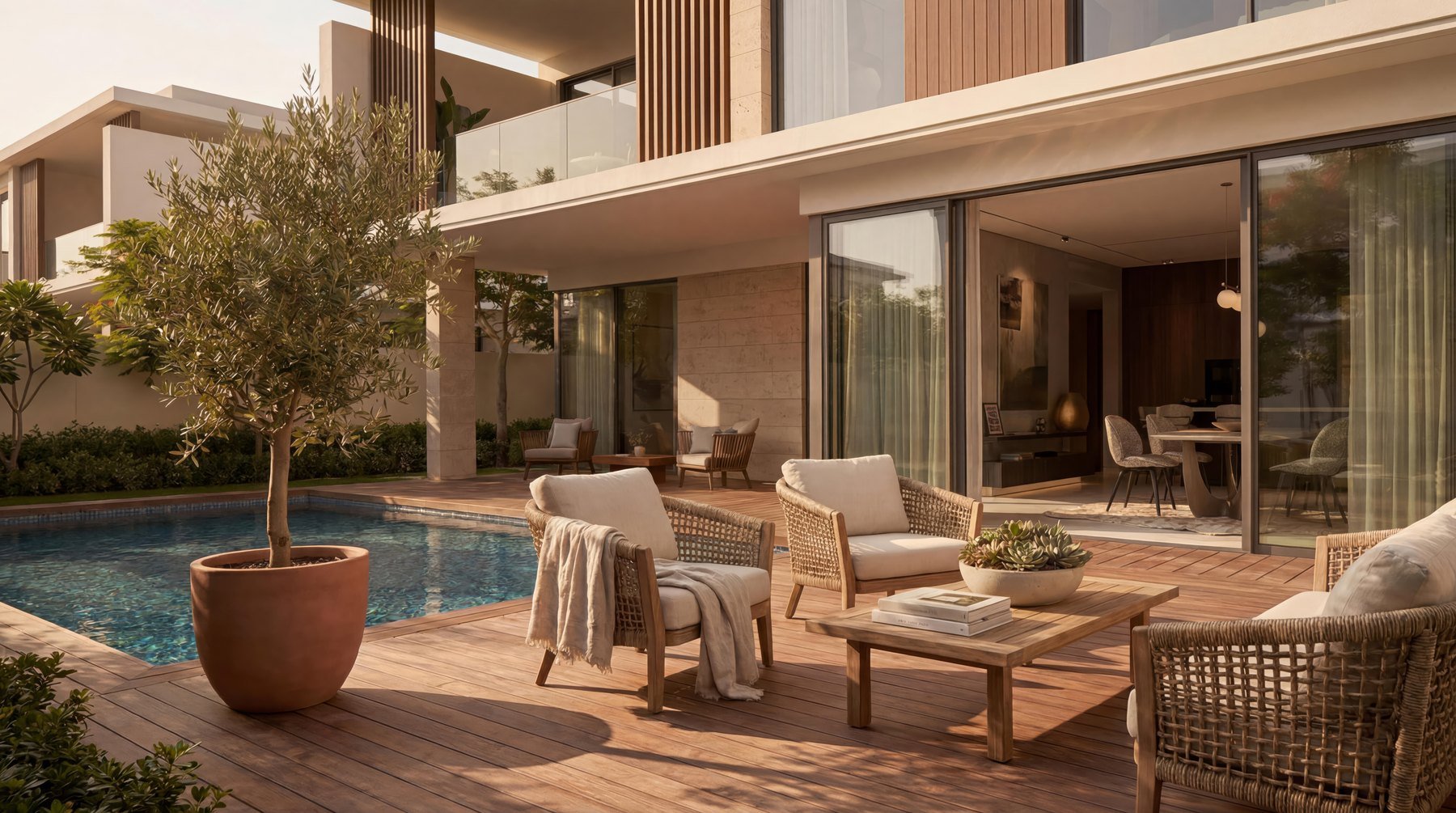
Upgrades such as marble flooring, integrated kitchen appliances, joinery packages, home automation, solar panels, pools and landscaping helped turn what could have been a standard developer handover into something closer to a finished home.
That had an impact on the secondary market. Suddenly, “developer upgraded” became its own category. Buyers could compare a standard unit with a fully upgraded unit and understand the premium. Investors could rent more quickly. End users could move in with less work. Sellers had a clearer way to justify value. That was a major shift.
Because historically, in Dubai, many buyers expected to receive a new property and then spend heavily after handover to make it feel complete. Tilal Al Ghaf challenged that expectation.
How the Standard Moved Up Through Alaya and the Mansions
The same thinking became even clearer as the community moved up the price points. In Alaya and Alaya Gardens, the homes came with a more defined interior identity. Lifts were installed rather than just lift shafts being provided. Flooring, appliances, joinery and design features were part of the product, rather than something left entirely for the buyer to solve later.
At mansion level, the shift became even more obvious. Basements, pools, landscaping and more complete specifications make the homes feel much closer to a finished product. Yes, owners may still customise. At that level, they almost always will. But the important point is that they don't have to start from zero. That is a big difference.
Compare that with some other large villa products in Dubai, where buyers may take handover of a brand-new home and still need to spend millions on landscaping, pools, finishing upgrades and interior work before the property feels ready.
Majid Al Futtaim understood something important: buyers were becoming less willing to accept unfinished luxury; buyers wanted homes that felt considered from day one. Majid Al Futtaim would need to address that to pull customers away from other developers at the higher level.
The same idea applies to the community planning.
Final View: Tilal Al Ghaf Raised Buyer Expectations
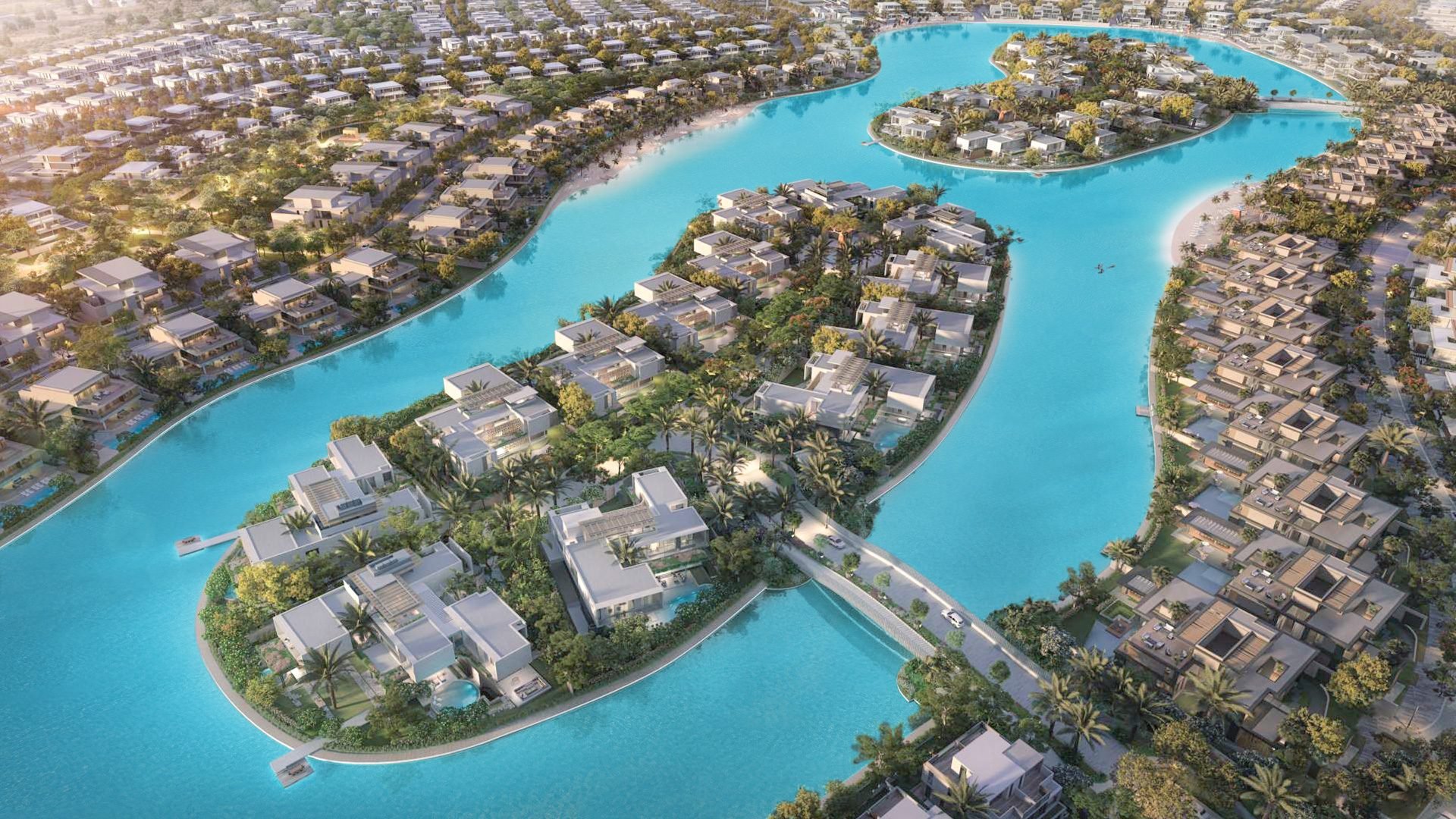
Tilal Al Ghaf did not use the traditional golf-course model. (I've written separately about why Majid Al Futtaim moved away from Dubai's traditional golf-course template and chose a lagoon-led masterplan instead .) It placed lifestyle, greenery, water and daily family use at the centre of the masterplan.
The lagoon is more than a view. It is a focal point. The parks, trails, cycling routes, beach, landscaping and community spaces all support a more end-user-focused way of living. This is important because a golf course can generate revenue for a developer or operator for years. A lagoon and green public realm are different. They are more directly tied to resident experience. That says something about the priority of the masterplan.
And buyers responded. Since Tilal Al Ghaf, we have seen more developers leaning into similar themes: greener communities, more lifestyle-led masterplans, more water, more wellness, more outdoor space, and more complete products. The Acres, The Wilds, DAMAC Lagoons, Emaar Oasis and other newer launches all reflect some version of that shift.
Did Majid Al Futtaim Really Reset the Market?
That may be too strong. But did they reset what a lot of buyers now expect from a new villa community? I think they did.
They raised expectations around design, light, flow, finish, upgrades, landscaping and the overall handover experience. They showed that a developer could deliver a product that felt more complete, more liveable and more emotionally connected to the buyer.
And that is the real change. Majid Al Futtaim did not only raise expectations at the top of the market. They changed the standard buyers now expect from a new villa in Dubai.
Discuss This Note