Tilal Al Ghaf · Insights
Dubai's Original Luxury Villa Formula
For years, Dubai followed a clear formula when it came to premium villa communities. If you wanted to create prestige, especially inland, you built around a golf course.
Emirates Hills had The Montgomerie. Arabian Ranches had its golf club. Jumeirah Golf Estates made golf the entire identity of the community. Victory Heights had The Els Club. DAMAC Hills brought in Trump International Golf Club. Dubai Hills then modernised the concept by placing a golf course inside a more central, mixed-use master community.
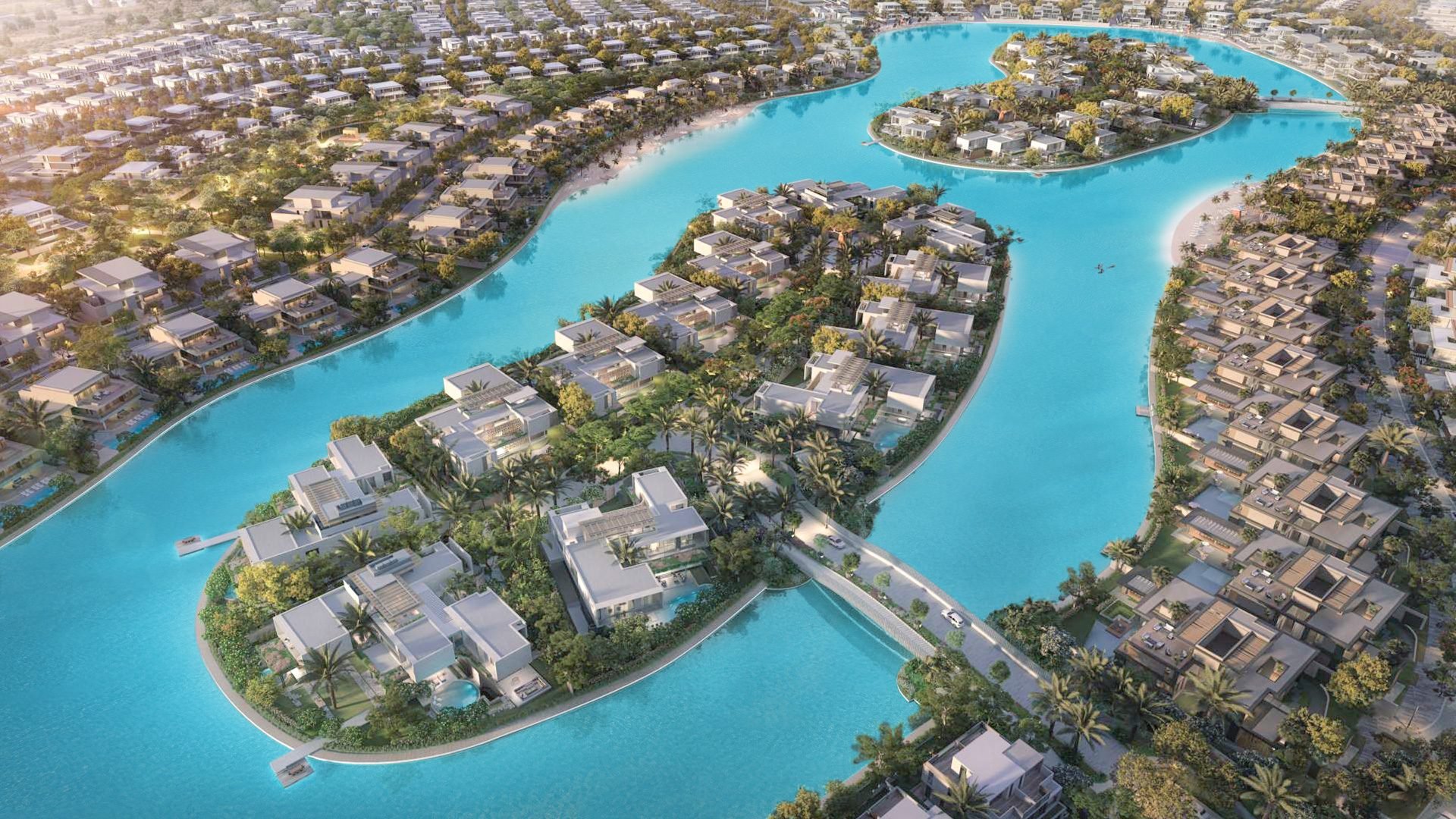
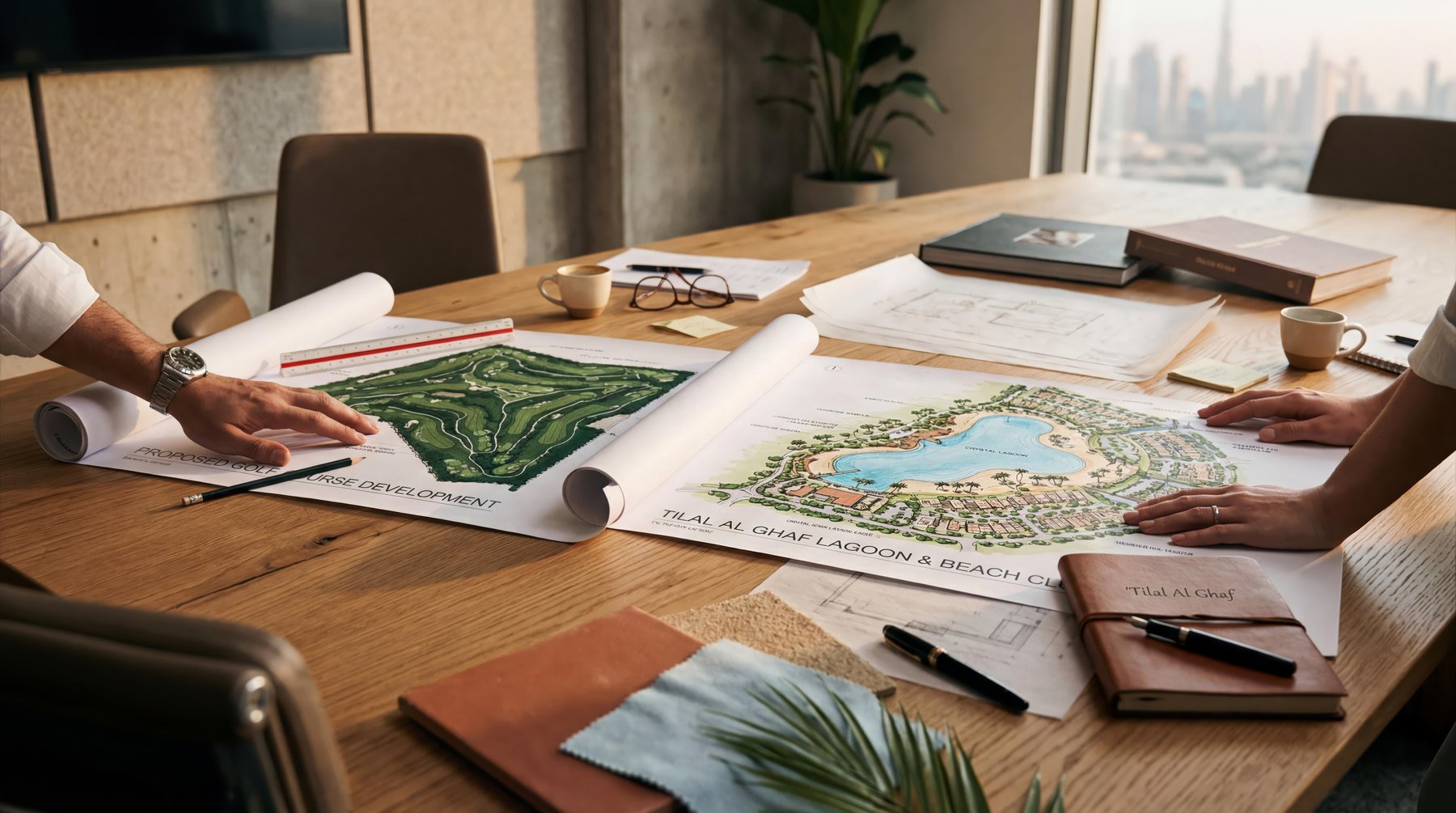
The message was simple: open views, greenery, space, prestige and exclusivity. So when Majid Al Futtaim launched Tilal Al Ghaf, it would have been easy to follow the same template. They didn't. They built a lagoon.
At first, that may seem like a simple design choice. But I think it says a lot about how Dubai's villa buyers have changed.
In the early days, a golf course in the desert was not just an amenity. It was a statement. Emirates Hills and The Montgomerie helped prove that Dubai could create a luxury residential environment where very little had existed before. Arabian Ranches did something similar. It was further out, and the golf course gave people a reason to go there.
The golf course was the attraction. It created confidence. It gave the community identity. That worked for a long time.
Why the Lagoon Model Feels Different
But golf is a specific lifestyle. It is prestigious, but it is not universal.
Most households are not golfing households. One person might play. Maybe two. But the children, grandparents, wider family and many residents may never use the course. They enjoy the view, but not necessarily the function.
That is where the lagoon is different. A lagoon is easier for everyone to understand. Children understand the beach. Families understand walking by the water. Residents understand swimming, paddleboarding, cafés, cycling, jogging, outdoor events and evening walks.
You do not need to explain the lifestyle. People can imagine it immediately.
What Majid Al Futtaim Understood About Modern Buyers
That is where Majid Al Futtaim's background becomes important. MAF is not just a traditional residential developer. Its experience is in retail, malls, leisure, hotels, entertainment and mixed-use destinations. It understands how people use space, how they move through it, how they spend time in it, and how to create places people return to.
So Tilal Al Ghaf was never just about selling villas. It was about creating a place where people would want to spend their day-to-day life. A golf course gives you prestige and views. A lagoon gives you daily life.
There is also a privacy issue that does not get discussed enough. Golf-course living is often marketed as peaceful and exclusive, but the golf course itself is not always private. Golfers pass behind homes. Buggies move along the fairways. Balls go astray. People walk into the rough looking for them.
For some residents, that is simply part of living on a golf course. For others, it is an interruption. There is also a contradiction. Buyers pay a premium for a golf-course view, but many then add trees, landscaping and screening to protect their privacy. Over time, they can end up blocking the very view they paid for.
A lagoon avoids some of that tension. It can act as a visual centre, a lifestyle amenity and a resident-focused destination without needing the same level of public movement past private homes.
Golf courses are also expensive to maintain and take up a huge amount of land. Because of that, they often rely on outside users, memberships, visitors, tournaments and non-resident play. That can be good for the club, but it also means the community's main amenity is not exclusively for residents. A lagoon is different. When designed properly, it can create emotional value for more people, while keeping the experience more closely tied to the community itself.
Golf Still Matters, But It No Longer Has to Be the Centre
There is another irony here: Tilal Al Ghaf is very well positioned for golfers. Jumeirah Golf Estates is nearby. The Els Club at Victory Heights is nearby. Arabian Ranches Golf Club is nearby. Trump International Golf Club at DAMAC Hills is nearby. Dubai Hills Golf Club is also within reach.
So a resident can live in a lagoon-led community and still have several golf courses close by. They get flexibility without being tied to one course, one club, one membership or one type of view.
That makes Tilal Al Ghaf a clever alternative, not an anti-golf statement.
Final View: Tilal Al Ghaf Changed the Anchor
It is not saying golf no longer matters. It is saying golf no longer needs to be the centre of the community. That distinction is important.
Dubai's earlier villa communities were often about proving what could be built: golf courses in the desert, large plots, gated addresses, and luxury built around open space. The newer generation of communities is more focused on wellness, walkability, family experience, outdoor living and lifestyle that people actually use. Tilal Al Ghaf sits firmly in that second category.
Majid Al Futtaim did not reject luxury. It changed the anchor. Instead of building around a golf course, it built around water, beach, movement, family life and community experience. That is why the decision worked.
The lagoon speaks to more people. It is easier to use, easier to imagine, and more relevant to the way modern Dubai families want to live.
Golf gave Dubai its first generation of premium villa communities. The lagoon gave Tilal Al Ghaf its emotional edge. And that, ultimately, is why Majid Al Futtaim shunned the Dubai golf-course template.
Discuss This Note